
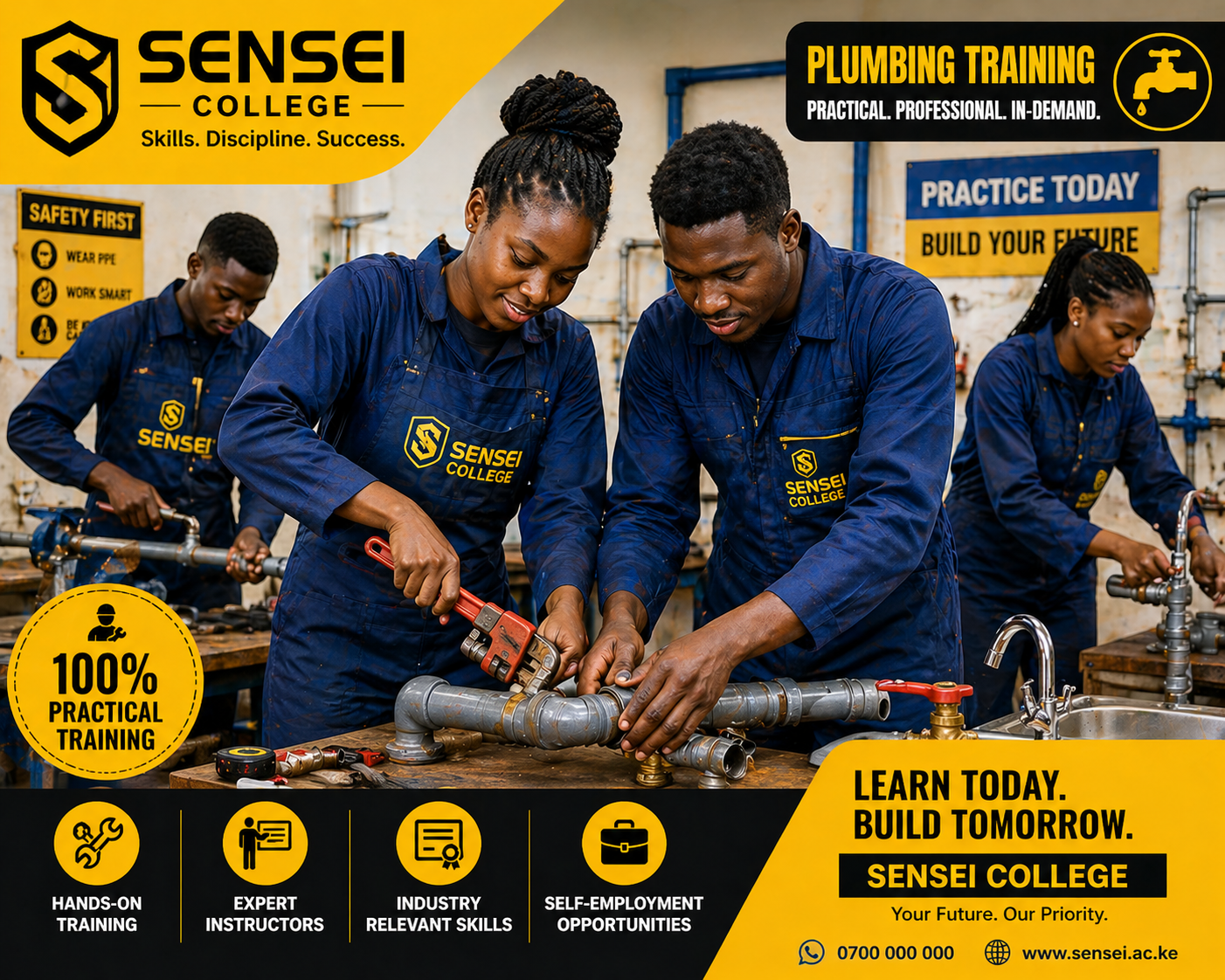
Plumbing and drainage systems are part of everyday life; yet, we only think about them when something goes wrong. From clean water supply to proper waste disposal, plumbers play a critical role in keeping homes, schools, and businesses running smoothly.
This article explores the world of plumbing and drainage in detail, covering the essential skills, tools, and techniques involved in the trade.
The purpose of a plumber
Forget the outdated image of someone crawling under a sink with a wrench. Modern plumbing is a skilled technical trade covering a wide range of work:
- Water supply installation – Running pipes from the mains supply into buildings, connecting tanks, and ensuring clean water reaches every tap.
- Drainage and sewerage systems – Installing underground drainage, sewer lines, and septic systems that remove waste safely from buildings.
- Fixture installation – Fitting sinks, showers, toilets, water heaters, and geysers.
- Leak detection and repair – Diagnosing and fixing hidden pipe bursts, joint failures, and blockages.
- Rainwater harvesting systems – An increasingly popular service as Kenyans embrace sustainable water solutions.
- Gas plumbing – Installing and maintaining LPG piping systems in homes and commercial kitchens.
Skills to acquire during training
i). Pipe Systems and Installation
Students learn the different types of pipes (PVC, CPVC, PPR, galvanized steel) and when to use each one. Cutting, threading, bending, and joining pipes correctly are foundational skills practised repeatedly until they become second nature.
ii). Drainage Engineering Made Simple
Drainage is not just digging a trench and laying a pipe. Slope, gradient, venting, and trap installation all determine whether a drainage system works or backs up and causes problems. Students learn to design and install systems that flow correctly from day one.
iii). Repairs, Maintenance, and Fault-Finding
Some of the most consistent work available to plumbers comes from maintenance contracts with landlords, schools, and businesses. Training covers how to diagnose problems quickly and fix them efficiently, skills that build a loyal client base.
iv). Tools, Safety, and Professionalism
Pipe cutters, soldering equipment, pressure testing kits, and drain snakes, students become familiar with the tools of the trade and, critically, how to use them safely. Site safety training ensures graduates are not just skilled but responsible workers.
Quick Skills, Lasting Income Opportunities
Plumbing short courses run between three and six months. Compare that to the years spent in other training programs, and the logic is clear.
Self-employed plumber earnings range:
- A basic pipe repair job: Ksh 1,500 – 3,000
- A bathroom fitting and installation: Ksh 8,000 – 20,000
- Full plumbing of a new house: Ksh 40,000 – 150,000+
- A maintenance contract with an apartment block: Ksh 10,000 – 30,000/month
How to become self-employed as a young Kenyan plumber
- Start Small, Build Fast – Begin by offering services to neighbours, local landlords, and small businesses. Word-of-mouth is the most powerful marketing tool in artisan trades. One satisfied customer becomes five referrals.
- Register Your Business – Even a one-person operation benefits from being registered. A simple business name registration with the Kenya Revenue Authority (KRA) opens doors to contracts with schools, churches, and companies that require invoices.
- Join Local Construction Networks- Contractors, site managers, and quantity surveyors regularly look for reliable subcontractors. Being known in these circles means a steady stream of project-based work.
- Offer Maintenance Packages -Landlords with multiple rental units will pay a monthly fee for a reliable plumber on call. This creates predictable, recurring income.
- Upskill Over Time – Gas plumbing, solar water heater installation, and borehole pump systems are higher-value specializations. Plumbers who keep learning keep earning more.
Qualities of a good plumber
. The plumbers who build thriving businesses share these qualities:
- Reliable – Showing up on time and completing jobs as promised is rare in any trade. Plumbers who are reliable build reputations that market themselves.
- Continuous Learning – Building materials and technologies evolve. The best plumbers stay curious, attend workshops, and learn new systems as they emerge.
- Customer Communication – Explaining the problem clearly, giving honest quotes, and following up after a job builds trust that turns one-time clients into lifetime customers.
Conclusion
The Kenyan construction industry is not slowing down. Neither is the demand for water, sanitation, and skilled people who can manage both. A short plumbing course is one of the fastest, most affordable, and most practical investments a young Kenyan can make in their future.
Sensei College’s plumbing and drainage program is designed to make you employment-ready and self-employment-ready.
Take the first step. Enroll at Sensei College today. The only thing standing between you and financial independence is the decision to start.