
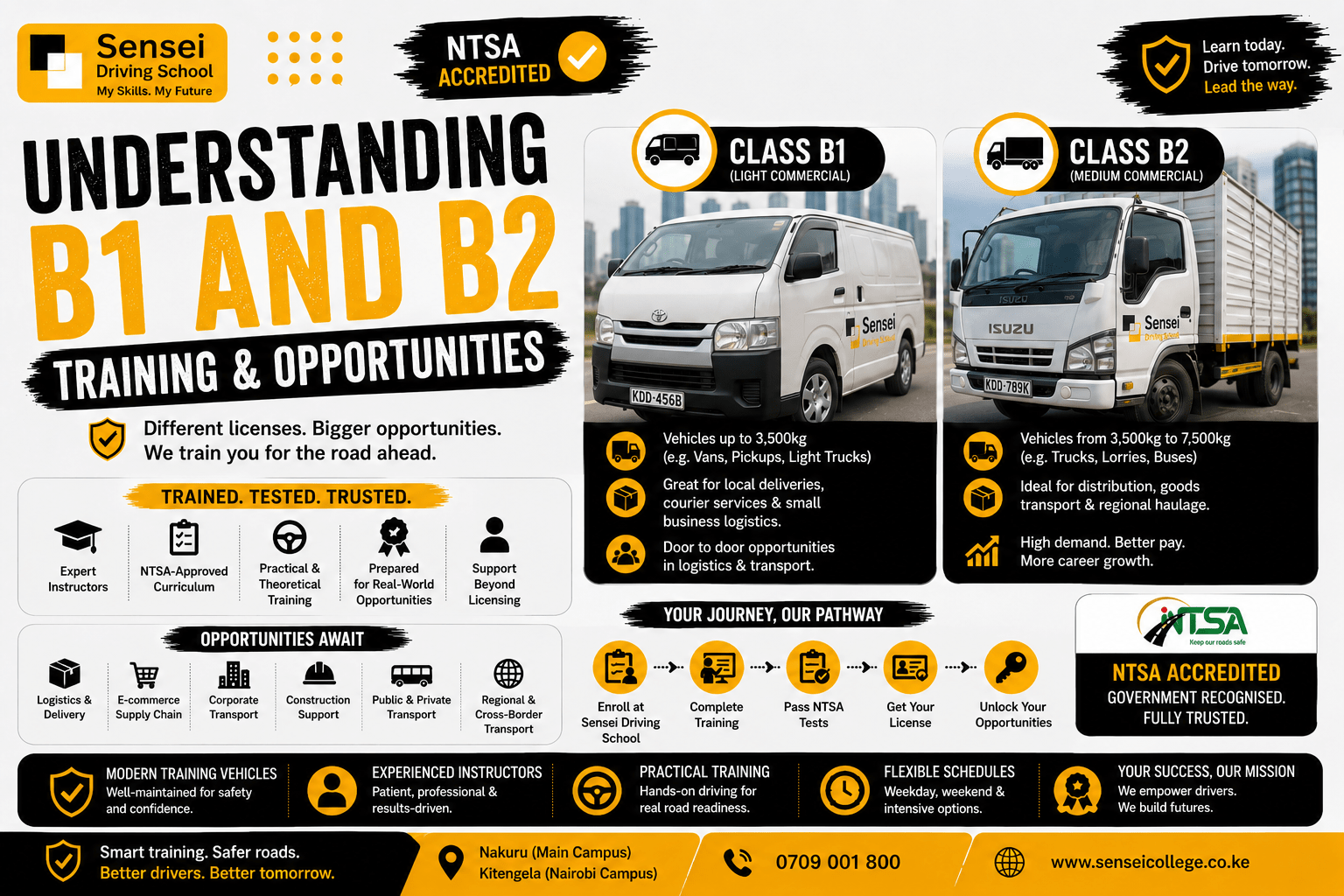
Which Driving License Should You Get First?
Deciding to take driving courses can be can leave you torn apart on what should go first.
Here are considerations that can help make a better decision:
i). If you have never driven before, start with Class B1 (Manual). Class B1 is the foundation. Once you have it, you can drive any manual or automatic private car in Kenya. It also qualifies you to later upgrade to Class C (trucks) and Class D (PSV), making it the most versatile starting point.
ii). If you already own or plan to buy an automatic car, Class B2 is fine, though B2 limits you to automatic vehicles. If you ever want to drive a manual car, you will need to retrain for B1 separately.
iii). If you ride a motorcycle, Class A comes first. Boda boda riders, courier drivers, and motorcycle mechanics should prioritize Class A. It can be done before or alongside Class B.
iv). If you want to drive a matatu or taxi, get Class B first, wait 2 years, then apply for Class D
PSV licenses (Class D) require a minimum 2-year history of holding a Class B. Plan your career path accordingly, use those 2 years to gain driving experience and save money.
If you want to become a truck driver, a Class B, C1, C2, and C3 in that order.
You must upgrade progressively. You cannot jump straight to C3 heavy trucks without completing C1 and C2 first.
Differences between Class B1 vs. Class B2
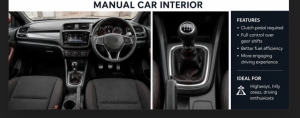
Manual (B1) – Best for most situations
In a manual car, you control the gears yourself using a clutch pedal and gear lever. Learning manual is harder at first, but once mastered, it gives you:
- Wider job opportunities – most company cars, government vehicles, and hire-purchase cars in Kenya are manual
- Ability to drive both manual AND automatic vehicles (unlike B2, which is automatic only)
- Better fuel economy – manual vehicles are generally more fuel-efficient
- Lower purchase price – manual cars cost less to buy and maintain in Kenya
Automatic (B2) – Better for Certain Situations
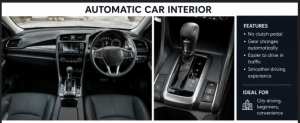
Automatic vehicles shift gears on their own. B2 is good if:
- You have a physical condition that makes clutch control difficult
- You already own or plan to buy a specific automatic vehicle
- You are primarily targeting corporate/executive driving roles in Nairobi
Unless you have a specific reason to go automatic, Class B1 (manual) first. You can always learn automatic later, but the reverse is not true in terms of career flexibility.
Sensei College – One-Month Intensive Driving Course:
If you are in a hurry, you have a job offer waiting, a business to start, or simply want to get licensed as quickly as possible, Sensei’s intensive driving program condenses the standard 4–6 week course into a focused 30-day schedule.
What the Intensive Course Includes
- Daily theory classes (traffic rules, road signs, Highway Code)
- Daily behind-the-wheel practical sessions (minimum 2 hours per day)
- Night driving sessions (required by NTSA)
- Highway driving practice
- Mock NTSA driving test (at least 2 simulated tests before the real one)
- Certificate of completion
Who Is the Intensive Course Best For?
- Job seekers who need a license quickly for employment
- People coming from outside Nakuru/Kitengela who prefer to stay on campus and finish fast (Sensei’s boarding is perfect for this)
- Mature learners who are confident and can absorb more sessions per day
- Anyone upgrading to C1 or D1 who already has driving experience
Intensive Course Fees
| Class | Intensive Duration | Fee (KSh) |
| B1 Manual | 4 weeks | 19,500 |
| B2 Automatic | 3–4 weeks | 19,500 |
| C1 Light Truck | 3 weeks | 22,500 |
| D1 Taxi/PSV | 2–3 weeks | 22,500 |